
Robotic and Laparoscopic Surgeries for Gastrointestinal Cancers
Robotic and Laparoscopic Surgeries for Gastrointestinal Cancers
Advanced Surgical Care for Gastrointestinal Cancers
Gastrointestinal cancers affect organs involved in digestion, including the oesophagus, stomach, small intestine, colon, rectum, liver, pancreas, and other parts of the digestive system. Timely diagnosis and an appropriate treatment plan are essential for effective cancer management. Dr. Sriniket Raghavan offers specialized surgical oncology care, with expertise in robotic and minimally invasive gastrointestinal cancer surgeries.
If you are looking for Robotic & Laparoscopic Surgeries for Gastrointestinal Cancers in Shalimar Bagh, Dr. Sriniket Raghavan provides an individualized approach to surgical treatment based on the type of cancer, its stage, the patient's overall health, and the available treatment options. His specialized training at Tata Memorial Hospital, Mumbai, and experience in surgical oncology support the evaluation and management of complex gastrointestinal malignancies.
What Are Robotic and Laparoscopic Gastrointestinal Cancer Surgeries?
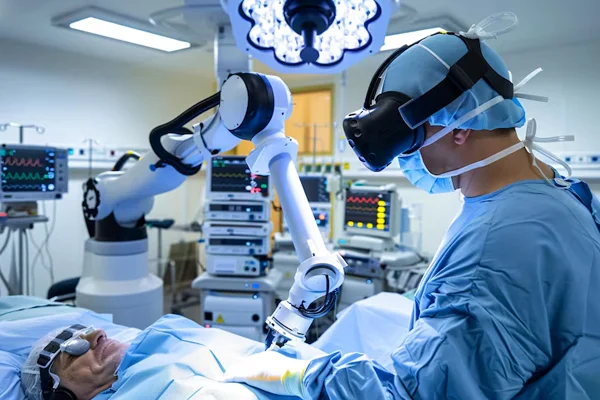
Robotic and laparoscopic surgeries are minimally invasive surgical techniques performed through small incisions using specialized instruments and a camera. Robotic surgery allows the surgeon to control robotic instruments, while laparoscopic surgery uses long, slender instruments operated directly by the surgeon.
These techniques may be suitable for selected patients requiring surgery for gastrointestinal cancers. Depending on the procedure and individual circumstances, potential benefits may include smaller incisions, reduced postoperative discomfort, shorter hospital stays, and faster recovery compared with certain open surgical procedures. However, outcomes vary, and open surgery may be more appropriate in some cases.
Gastrointestinal Cancers Treated
Dr. Sriniket Raghavan's area of expertise includes the surgical management of various gastrointestinal malignancies, such as:
-
Colorectal Cancer: Surgical treatment of cancers affecting the colon and rectum.
-
Stomach Cancer: Evaluation and surgical management of gastric malignancies.
-
Oesophageal Cancer: Surgical assessment and treatment planning for cancers of the food pipe.
-
Small Intestinal Cancer: Management of selected malignant tumours affecting the small intestine.
-
Liver and Pancreatic Malignancies: Surgical evaluation of suitable cases involving the liver and pancreas.
-
Peritoneal Surface Malignancies: Assessment of selected cancers involving the lining of the abdominal cavity.
The appropriate surgical approach depends on the cancer's location, stage, spread, and the patient's fitness for surgery.
Benefits of Robotic and Laparoscopic Surgery
Minimally invasive techniques may offer several advantages for eligible patients. These include smaller surgical incisions, less blood loss in certain procedures, reduced postoperative pain, and potentially quicker recovery. Robotic systems can provide enhanced instrument articulation and a magnified three-dimensional view of the surgical field, while laparoscopy enables precise surgery through small incisions.
The choice between robotic, laparoscopic, and open surgery is made after careful evaluation. The priority is to achieve appropriate cancer control while protecting the patient's safety and quality of life.
Personalized Treatment Planning
Every gastrointestinal cancer requires a treatment strategy tailored to the patient's diagnosis. Before recommending surgery, the surgical oncologist reviews diagnostic scans, biopsy findings, medical history, and other relevant investigations. Treatment may involve surgery alone or a combination of surgery, chemotherapy, radiotherapy, and other cancer treatments, depending on the diagnosis.
For patients seeking Robotic & Laparoscopic Surgeries for Gastrointestinal Cancers in Shalimar Bagh, consultation with Dr. Sriniket Raghavan can help clarify the diagnosis, understand suitable surgical options, and plan the next steps in cancer care.
Why Choose Dr. Sriniket Raghavan?
-
Specialized training in surgical oncology at Tata Memorial Hospital, Mumbai.
-
Fellowship training in thoracic surgical oncology, colorectal oncosurgery, and peritoneal surface malignancies.
-
Certified robotic surgeon with training in minimally invasive gastrointestinal and thoracic cancer surgery.
-
Experience across high-volume academic and non-academic oncology centres.
-
Evidence-based evaluation and individualized surgical treatment planning.
-
Focus on explaining treatment options and helping patients make informed decisions.
Book a Consultation
Early evaluation can help patients understand their diagnosis and available treatment options. If you or a family member has been diagnosed with gastrointestinal cancer, consult Dr. Sriniket Raghavan to discuss whether robotic, laparoscopic, or open surgery may be appropriate.
For Robotic & Laparoscopic Surgeries for Gastrointestinal Cancers in Shalimar Bagh, contact the clinic to enquire about consultation availability and the next steps for assessment.
FAQs
1. What are robotic and laparoscopic surgeries for gastrointestinal cancers?
Robotic and laparoscopic surgeries are minimally invasive procedures that use small incisions and specialized instruments to treat selected gastrointestinal cancers. The appropriate technique depends on the cancer type, stage, and patient's condition.
2. Which gastrointestinal cancers can be treated with robotic or laparoscopic surgery?
Selected cancers of the colon, rectum, stomach, oesophagus, and other digestive organs may be treated using minimally invasive techniques. Suitability depends on the tumour's location, extent, and individual clinical factors.
3. What are the benefits of minimally invasive gastrointestinal cancer surgery?
Potential benefits include smaller incisions, less postoperative pain, reduced blood loss in some procedures, and a shorter recovery period. Results vary depending on the operation and the patient's overall health.
4. Is robotic surgery better than laparoscopic surgery for gastrointestinal cancer?
Neither technique is universally better. Robotic surgery offers enhanced instrument movement and three-dimensional visualization, while laparoscopic surgery is also effective for many suitable cases. The best approach depends on the cancer, surgical complexity, and the surgeon's assessment.
5. How do I know if I am suitable for robotic gastrointestinal cancer surgery?
Suitability is determined after reviewing biopsy results, imaging, cancer stage, medical history, and general fitness for surgery. A surgical oncologist can explain the benefits, limitations, and alternatives available for your case.
6. Is recovery faster after laparoscopic or robotic cancer surgery?
Some patients recover faster after minimally invasive surgery than after comparable open procedures. Recovery time depends on the type of surgery, the extent of the disease, and individual healing.
7. Will I need chemotherapy after gastrointestinal cancer surgery?
Not every patient requires chemotherapy after surgery. The recommendation depends on the cancer type, stage, pathology findings, and other risk factors. Some patients may require chemotherapy or other treatments before or after surgery.
8. Where can I consult for robotic and laparoscopic gastrointestinal cancer surgery in Shalimar Bagh?
You can contact Dr. Sriniket Raghavan's clinic to enquire about consultation availability for gastrointestinal cancer evaluation and surgical treatment planning in Shalimar Bagh.


