
Robotic and VATS Surgeries for Lung Cancers and Thoracic Malignancies,

Robotic and VATS Surgeries for Lung Cancers and Thoracic Malignancies,
Advanced Surgical Care for Lung Cancer and Thoracic Malignancies
Lung cancers and thoracic malignancies affect the lungs, pleura, and other structures within the chest. These conditions require accurate diagnosis, careful evaluation, and an individualized treatment approach. Dr. Sriniket Raghavan is a Surgical Oncologist with specialized fellowship training in thoracic surgical oncology from Tata Memorial Hospital, Mumbai, and expertise in robotic and minimally invasive oncological surgeries.
For patients seeking Robotic & VATS Surgeries for Lung Cancers in Shalimar Bagh, Dr. Sriniket Raghavan offers specialized surgical oncology evaluation and treatment planning based on the type of tumour, disease stage, overall health, and suitability for surgery.
Robotic and VATS Surgery for Lung Cancer
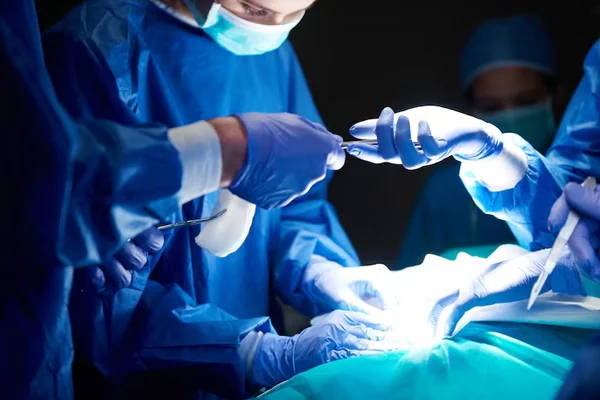
Robotic surgery and Video-Assisted Thoracoscopic Surgery (VATS) are minimally invasive techniques used for selected lung cancers and other thoracic conditions. These procedures involve small incisions and specialized instruments, allowing surgeons to operate within the chest without the larger incision required for many traditional open operations.
Robotic surgery uses surgeon-controlled robotic instruments, while VATS uses a camera and specialized surgical instruments to visualize and treat the affected area. Depending on the tumour and its location, surgery may involve removing a portion of the lung or, when necessary, a larger part of the affected lung.
Potential benefits of minimally invasive thoracic surgery include smaller incisions, reduced postoperative discomfort, and faster recovery in suitable patients. The most appropriate surgical technique is determined after reviewing diagnostic findings and treatment requirements.
Surgical Management of Thoracic Malignancies
Thoracic malignancies include cancers affecting the lungs, pleura, chest wall, and other structures within the chest. Surgical treatment may be considered when the disease can be appropriately managed through an operation.
Dr. Sriniket Raghavan's specialized training in thoracic surgical oncology supports the evaluation and surgical management of selected thoracic malignancies. Treatment planning may involve imaging, biopsy results, lung function assessment, and multidisciplinary consultation to determine the most appropriate approach.
Cytoreductive Surgery (CRS) for Mesothelioma
Mesothelioma is a rare cancer that develops in the mesothelium, the thin tissue lining certain internal organs. Pleural mesothelioma affects the lining around the lungs, while peritoneal mesothelioma affects the lining of the abdominal cavity.
Cytoreductive surgery (CRS) aims to remove visible tumour deposits and is used in selected cases of peritoneal surface malignancy. Its role in mesothelioma depends on the tumour's location, extent, and individual clinical circumstances. For pleural mesothelioma, different treatment strategies may be considered depending on disease stage and suitability for surgery.
A specialist evaluation helps determine whether surgery, systemic therapy, or a combination of treatments is appropriate.
Management of Chest Wall Neoplasms
Chest wall neoplasms are abnormal growths that develop in the bones, muscles, connective tissues, or other structures forming the chest wall. They may be benign or malignant and can sometimes cause pain, swelling, or a noticeable lump.
Management begins with appropriate investigations, which may include imaging and biopsy. Depending on the diagnosis, treatment may involve surgical removal of the tumour and, in selected cases, reconstruction of the affected chest wall. The treatment plan is tailored to the tumour type, location, size, and extent of involvement.
Why Choose Dr. Sriniket Raghavan?
-
Specialized training in thoracic surgical oncology at Tata Memorial Hospital, Mumbai.
-
Certified robotic surgeon with training in minimally invasive oncological procedures.
-
Expertise in evaluating lung cancers and other thoracic malignancies.
-
Experience in managing complex surgical oncology cases.
-
Individualized treatment planning based on diagnosis and disease stage.
-
Evidence-based guidance on surgical options and comprehensive cancer management.
Book a Consultation in Shalimar Bagh
Timely assessment of lung cancer and other thoracic malignancies can help patients understand their diagnosis and available treatment options. Dr. Sriniket Raghavan provides specialized surgical oncology evaluation for patients requiring assessment of lung tumours, mesothelioma, and chest wall neoplasms.
If you are looking for Robotic & VATS Surgeries for Lung Cancers in Shalimar Bagh, contact the clinic to enquire about consultation availability and discuss an appropriate treatment plan.
Frequently Asked Questions
1. What are robotic and VATS surgeries for lung cancer?
Robotic and Video-Assisted Thoracoscopic Surgery (VATS) are minimally invasive techniques used to treat selected lung cancers. They involve small incisions and specialized instruments to perform surgery within the chest.
2. Which lung cancers can be treated with robotic or VATS surgery?
Selected early-stage lung cancers and certain other lung tumours may be treated using robotic or VATS techniques. Suitability depends on the tumour's size, location, stage, and the patient's overall health.
3. What are the benefits of minimally invasive thoracic surgery?
Potential benefits include smaller incisions, reduced postoperative pain, shorter hospital stays, and faster recovery compared with some open procedures. Individual outcomes vary according to the operation and the patient's condition.
4. What is the difference between robotic surgery and VATS?
Both are minimally invasive surgical approaches. Robotic surgery uses surgeon-controlled robotic instruments, while VATS uses a camera and specialized instruments operated directly by the surgeon. The appropriate technique depends on the case and available expertise.
5. What is mesothelioma, and how is it treated?
Mesothelioma is a cancer that develops in the lining of organs, most commonly around the lungs or within the abdominal cavity. Treatment depends on its location, stage, and extent and may include systemic therapy, surgery in selected cases, or a combination of treatments.
6. What is cytoreductive surgery (CRS)?
Cytoreductive surgery is an operation intended to remove visible tumour deposits, primarily in selected peritoneal surface malignancies. Its suitability for mesothelioma depends on the type and extent of the disease and specialist assessment.
7. How are chest wall tumours managed?
Chest wall tumours are evaluated using clinical examination, imaging, and sometimes biopsy. Depending on whether the tumour is benign or malignant, treatment may include observation, surgery, reconstruction, or additional cancer treatment.
8. When should I consult a thoracic surgical oncologist?
You should consider consulting a thoracic surgical oncologist if you have a diagnosed lung tumour, pleural malignancy, mesothelioma, or chest wall neoplasm requiring surgical evaluation. The specialist can explain treatment options based on your reports and diagnosis.
9. Where can I consult for robotic and VATS lung cancer surgery in Shalimar Bagh?
Contact Dr. Sriniket Raghavan's clinic to confirm the consultation location, availability, and suitability for evaluation of lung cancer and other thoracic malignancies.


