

CRS HIPEC and PIPAC for Ovarian Cancers, GI Malignancies and Other Peritoneal Surface Malignancies
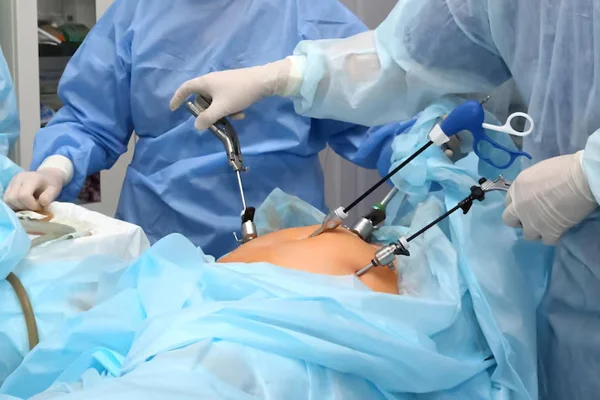
CRS HIPEC and PIPAC for Ovarian Cancers, GI Malignancies and Other Peritoneal Surface Malignancies
Specialized Treatment for Peritoneal Surface Malignancies
Peritoneal surface malignancies are cancers that affect the peritoneum, the thin membrane lining the abdominal cavity and covering many abdominal organs. These cancers may originate in the abdomen or spread from other organs, including the ovaries and gastrointestinal tract. Their management requires specialized evaluation, careful treatment planning, and a multidisciplinary approach.
Dr. Sriniket Raghavan is a Surgical Oncologist trained at Tata Memorial Hospital, Mumbai, with fellowship training in colorectal oncosurgery and peritoneal surface malignancies. For patients seeking CRS HIPEC and PIPAC Treatment in Shalimar Bagh, he offers specialized surgical oncology assessment to help determine suitable treatment options based on the cancer type, disease extent, previous treatments, and overall health.
What Is Cytoreductive Surgery (CRS)?
Cytoreductive Surgery (CRS) is a specialized operation designed to remove visible tumour deposits from the peritoneal surfaces and, when necessary, affected nearby organs or tissues. It may be considered for selected patients with peritoneal surface malignancies arising from ovarian cancers, colorectal cancers, appendiceal cancers, and certain other abdominal malignancies.
The goal is to achieve the maximum possible removal of visible disease while considering patient safety and the likelihood of meaningful clinical benefit. Eligibility depends on factors such as the primary cancer, extent of tumour spread, involvement of vital structures, and the patient's ability to tolerate major surgery.
What Is HIPEC?
Hyperthermic Intraperitoneal Chemotherapy (HIPEC) is a specialized procedure in which heated chemotherapy medication is circulated within the abdominal cavity during surgery, generally after cytoreductive surgery has removed visible tumour deposits.
HIPEC is intended to treat microscopic cancer cells that may remain on the peritoneal surfaces. It may be recommended for selected patients with certain peritoneal malignancies, depending on the cancer type, disease stage, and available clinical evidence.
CRS and HIPEC are not suitable for every patient. A specialist assessment is necessary to evaluate potential benefits, risks, and alternative treatments.
What Is PIPAC?
Pressurized Intraperitoneal Aerosol Chemotherapy (PIPAC) is a minimally invasive technique that delivers chemotherapy as a pressurized aerosol into the abdominal cavity using laparoscopic access.
PIPAC may be considered in selected patients with peritoneal metastases, including certain ovarian and gastrointestinal cancers. Depending on the clinical situation, it may be used as part of a broader treatment strategy, particularly when conventional treatment options are limited or when disease control is the objective.
PIPAC differs from HIPEC in its delivery method, treatment setting, and clinical role. Its availability, suitability, and expected benefits should be discussed with a specialist.
Cancers That May Require CRS, HIPEC or PIPAC
Dr. Sriniket Raghavan has specialized training in the management of peritoneal surface malignancies, including the evaluation of selected cases involving:
-
Ovarian Cancer: Assessment of advanced ovarian malignancies involving the peritoneal surfaces.
-
Colorectal Cancer: Evaluation of colorectal cancers that have spread within the abdominal cavity.
-
Appendiceal Cancer: Surgical assessment of selected appendiceal tumours with peritoneal involvement.
-
Gastrointestinal Malignancies: Evaluation of selected stomach and other gastrointestinal cancers involving the peritoneum.
-
Peritoneal Metastases: Assessment of cancer deposits affecting the lining of the abdominal cavity.
-
Other Peritoneal Surface Malignancies: Individualized evaluation of selected rare abdominal cancers.
The recommended approach depends on the primary tumour, disease distribution, previous treatment, and the evidence supporting each procedure for that specific cancer.
Benefits of Specialized Peritoneal Cancer Treatment
For appropriately selected patients, CRS, HIPEC, or PIPAC may form part of a comprehensive treatment plan. Potential goals include removing visible disease, treating microscopic cancer cells, controlling peritoneal tumour deposits, or managing symptoms in selected cases.
The expected outcome varies considerably by cancer type and stage. These procedures can involve significant risks, particularly CRS with HIPEC, and require careful assessment of overall fitness, treatment goals, and potential complications.
Why Choose Dr. Sriniket Raghavan?
-
Specialized training in surgical oncology at Tata Memorial Hospital, Mumbai.
-
Fellowship training in colorectal oncosurgery and peritoneal surface malignancies.
-
Experience in evaluating complex gastrointestinal and ovarian malignancies.
-
Expertise in surgical oncology and individualized treatment planning.
-
Assessment of suitable treatment options based on disease extent and patient fitness.
-
Research-oriented, evidence-based approach to cancer management.
Book a Consultation in Shalimar Bagh
Managing peritoneal surface malignancies requires an individualized strategy based on the cancer's origin, extent, and response to previous treatments. A specialist consultation can help patients understand whether cytoreductive surgery, HIPEC, PIPAC, systemic therapy, or another treatment approach may be appropriate.
If you are looking for CRS HIPEC and PIPAC Treatment in Shalimar Bagh, contact the clinic to enquire about consultation availability and discuss your diagnosis, investigation reports, and potential treatment options with Dr. Sriniket Raghavan.
Frequently Asked Questions
1. What are CRS, HIPEC, and PIPAC?
CRS is surgery to remove visible tumour deposits from the peritoneal surfaces. HIPEC delivers heated chemotherapy into the abdominal cavity during surgery, while PIPAC delivers chemotherapy as a pressurized aerosol through laparoscopic access.
2. Which cancers may be treated with CRS and HIPEC?
CRS and HIPEC may be considered for selected patients with certain ovarian, colorectal, appendiceal, and other peritoneal surface malignancies. Suitability depends on the primary cancer, disease extent, and individual clinical factors.
3. Is HIPEC used for ovarian cancer?
HIPEC may be appropriate for selected patients with ovarian cancer in specific clinical settings. The decision depends on the cancer stage, treatment history, surgical findings, overall health, and current treatment recommendations.
4. What is PIPAC treatment for peritoneal cancer?
PIPAC is a minimally invasive procedure that delivers chemotherapy into the abdominal cavity as a pressurized aerosol. It may be considered for selected patients with peritoneal metastases, depending on the cancer type and treatment objectives.
5. What is the difference between HIPEC and PIPAC?
HIPEC is generally delivered during cytoreductive surgery after visible tumour deposits have been removed. PIPAC is delivered laparoscopically as a pressurized aerosol and may be used in different clinical circumstances. Neither procedure is appropriate for every patient.
6. Is CRS with HIPEC a major surgery?
Yes. CRS with HIPEC can be an extensive procedure involving the removal of tumour deposits and sometimes affected organs or tissues. It carries significant risks and requires careful patient selection and specialist postoperative care.
7. How do doctors determine whether a patient is suitable for CRS, HIPEC, or PIPAC?
Assessment may include imaging, biopsy and pathology reports, previous treatment records, blood tests, evaluation of disease distribution, and overall fitness for treatment. A multidisciplinary team may help determine the most appropriate option.
8. Can CRS, HIPEC, or PIPAC cure peritoneal cancer?
Outcomes depend on the cancer's origin, biology, extent, and response to treatment. Some carefully selected patients may achieve prolonged disease control, but these procedures cannot guarantee a cure. The expected benefits and limitations should be discussed individually.
9. Where can I consult for CRS, HIPEC, and PIPAC treatment in Shalimar Bagh?
Contact Dr. Sriniket Raghavan's clinic to confirm consultation availability and location for evaluation of ovarian, gastrointestinal, and other peritoneal surface malignancies.


